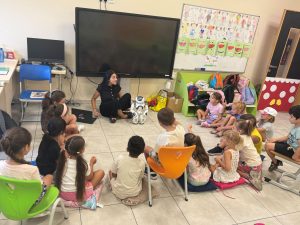
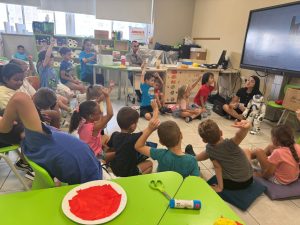
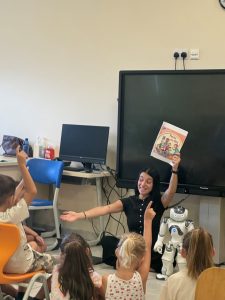
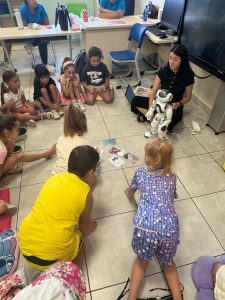
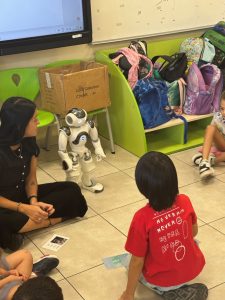
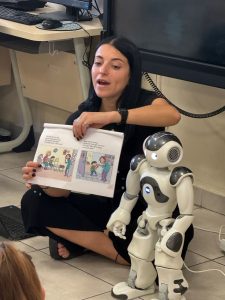
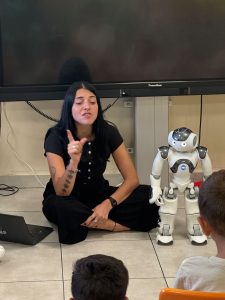
Malta is becoming a leader in using social robots to strengthen literacy, inclusion and classroom participation. The article “Exploring the multifaceted roles of social robots in early childhood literacy lessons: Insights from Maltese classrooms”, published in the International Journal of Social Robotics by Professor Charles L. Mifsud and his team, reports on research in mainstream, Primary classes, including pupils with special educational needs. The study found that a humanoid robot could act as a tutor, learning companion, teaching assistant and mediator of social interaction, building familiarity, enthusiasm and confidence.
“The social robot is a tool that can support the teacher, enrich the lesson and create additional opportunities for interaction.”
— Prof. Charles L. Mifsud
The government’s electoral manifesto commits to extending social robots to more schools, recognising their potential to improve skills, engage hesitant pupils and assist teachers. Educators remain central, while robots serve as tools that enrich lessons and interaction. Through the National Literacy Agency, the initiative will move towards wider, structured implementation informed by teachers, children and research evidence. By combining innovation in bilingual, multicultural classroom settings with ethical, inclusive and teacher-led practice, Malta can become an international test bed and a country champion for responsible educational robotics.